![[LMU logo]](/graphics/lmulogoboxes.png)
|
University Observatory MunichFaculty of Physics at the Ludwig-Maximilians-University |
![[USM logo]](/graphics/usmlogo.png) ![[LMU seal]](/graphics/lmusiegelbox.png)
|
deutsche Version
The observatory in BogenhausenFrom positional astronomy to modern astrophysicsAn interim observatory, set up for topographical survey purposes in 1805 on the premises of today’s Munich Ostbahnhof, became an official institute of the Bavarian Academy of Sciences in 1807. Regular observing was never undertaken there, though. In 1816/17, a prestigious new building was erected to the east of Bogenhausen, a village at that time. In 1827, this observatory was put under the offices of the newly-founded General Conservatory of scientific collections of the State of Bavaria. The office of curator of the observatory and the chair in astronomy of the Ludwig-Maximilians-Universität München has been held by the same person since 1852. On March 18, 1938 (retroactively as of April 1st, 1937), the observatory was affiliated to the department of physics of the Ludwig-Maximilians-Universität München and thus became the University Observatory. The foundingAlthough the charter of the Bavarian Academy of Sciences (1759) does not explicitly call for the construction of an astronomical observatory, two observatories were subsequently built on the outskirts of Munich, by private initiative. Owing to a lack of qualified personnel, these 2 observatories only existed for a short period of time and no real observing was done. The first was set up by Johann Georg Dominicus von Linprun (1714–1787) in a tower-like building on a bastion (today: Prinzregentenstraße, vis-à-vis the Haus der Kunst) (1760–1769/70), the second by Peter von Osterwald (1718–1778) in a mansion on the Gasteig (today: Munich cultural center) (1773–1778). The situation changed when – as a consequence of the political and military situation at the beginning of the 19th century – surveying was systematized in Bavaria under the control of French soldier engineers. Successful surveying could only be carried out on the basis of astronomical position determination. Therefore, the former Benedictine and astronomer Ulrich Schiegg (1752–1810) was appointed Astronomer Royal in Munich. In January 1803 he installed a small observatory in the northwestern tower of the former Jesuit college in the Neuhauser Straße – since 1783 the location of the Bavarian Academy of Sciences. Cooperation with the French surveyors was not without problems, however, and when Schiegg called attention to inconsistencies in the surveys, he was removed from office upon instigation of the French in 1805. The astronomer Karl Felix von Seyffer (1762–1822), who enjoyed good relations with the French army command, was appointed his successor. He was charged with the construction of a larger observatory by Elector Max IV Joseph (1756–1825, reigned 1799 and 1806–1825). Seyffer immediately had Schiegg’s instruments transported to a wooden hut in the designated location near present-day Ostbahnhof between the villages of Haidhausen and Ramersdorf, but made no further progress. Only in 1807, when the interim observatory became a part of the restructured Bavarian Academy of Sciences, did things slowly improve: several astronomical instruments were ordered from the emerging precision mechanics firm of Utzschneider, Reichenbach, and Liebherr in Munich, because the available instruments were out of date. The establishment of Bavaria as a kingdom (1806) and the demand for better public presentation enhanced the process at first. When the instruments were delivered (1811/12), the interim observatory turned out to be too small for them to be installed optimally. The idea of an extension or a new building, perhaps at a different location, became increasingly attractive. The project was delayed due to financial problems and due to Seyffer’s “astronomical inactivity”, as criticized by his contemporaries. In fact, surveying was of more interest to Seyffer, and in 1813 he was given notice and was finally relieved of his office as Astronomer Royal in 1815.
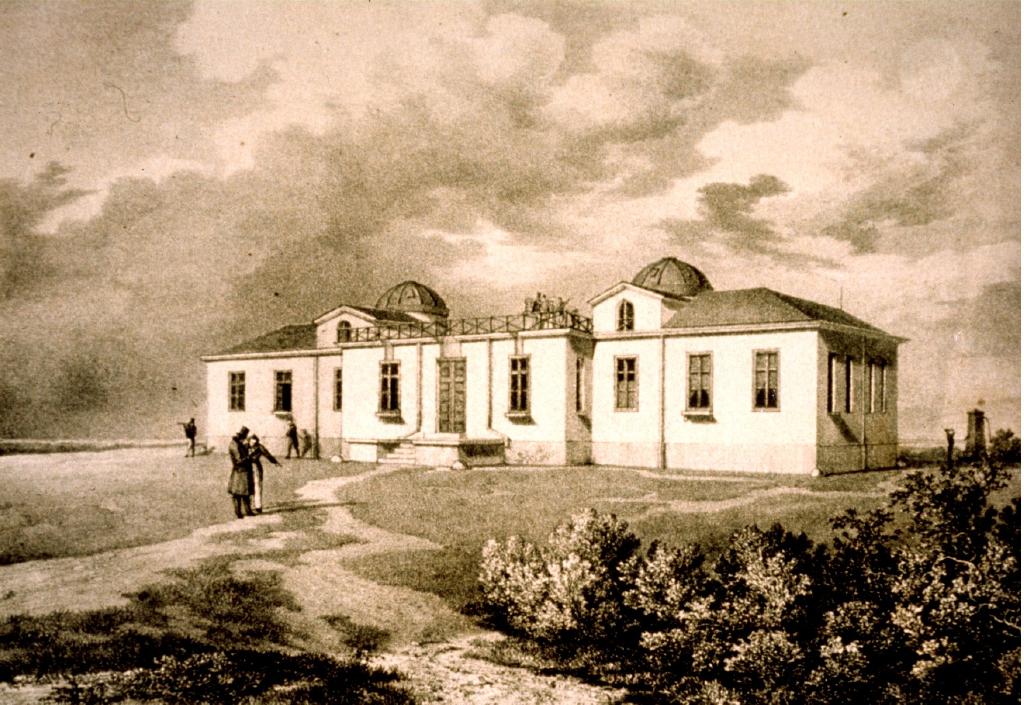
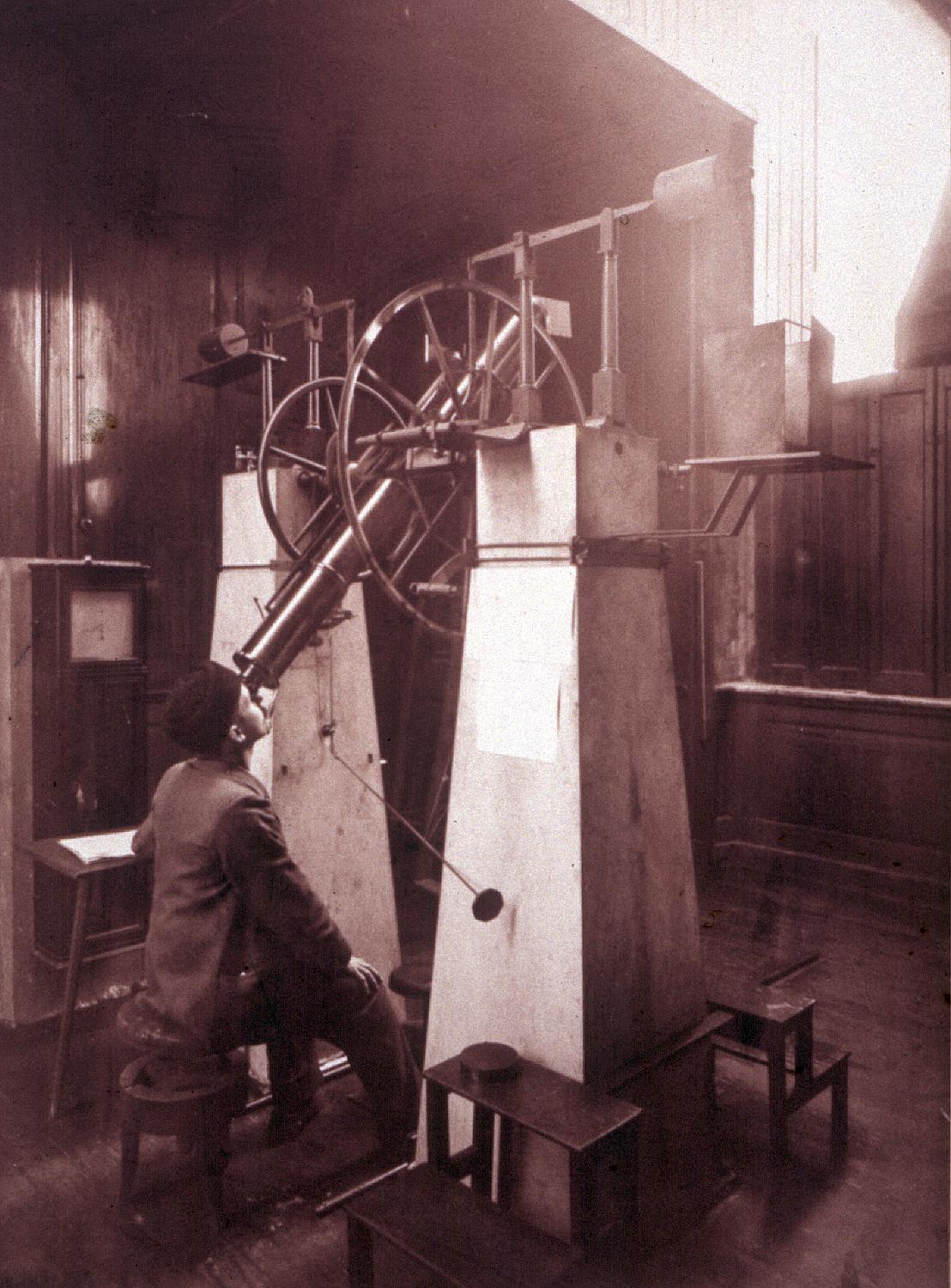
Shortly thereafter, on April 1st, 1816 the astronomer Johann Georg von Soldner (1776–1833) was appointed Seyffer’s successor. Soldner had been a member of the survey commission since 1808 where he had set up the theoretical basis of the Bavarian survey. Whereas things had progressed rather slowly in the past, events now unfolded rapidly: on April 18, 1816 the Academy presented construction plans that probably stemmed from Seyffer. Then on June 4th, 1816 King Max I Joseph gave the order to build the new observatory, and on August 11, 1816 the ground was broken on a hill to the east of the village of Bogenhausen. It had been decided to build the new observatory at a new site. The place was not badly chosen, since the observing conditions were excellent and Munich was within easy reach. Furthermore, a decree was issued forbidding any construction or plantation in the vicinity that was likely to disturb the work of the future observatory, and which was indeed effective for several decades. Under the supervision of the Royal building inspector Franz Thurn (1763–1844) the construction progressed speedily and on November 15, 1817 the basic structure was completed. It then took another two years to complete the interior and install the instruments. The horse-shoe shaped floor plan of the building included the meridian hall at its center and two observing towers on either side. The building housed the best instruments available at the time. The primary instrument was a meridian circle from the mathematical-mechanical institute of Reichenbach and Ertel. Routine observing with this instrument commenced in December 1819. The world’s best-equipped observatory, the Royal Observatory of Bogenhausen, had gone into operation.
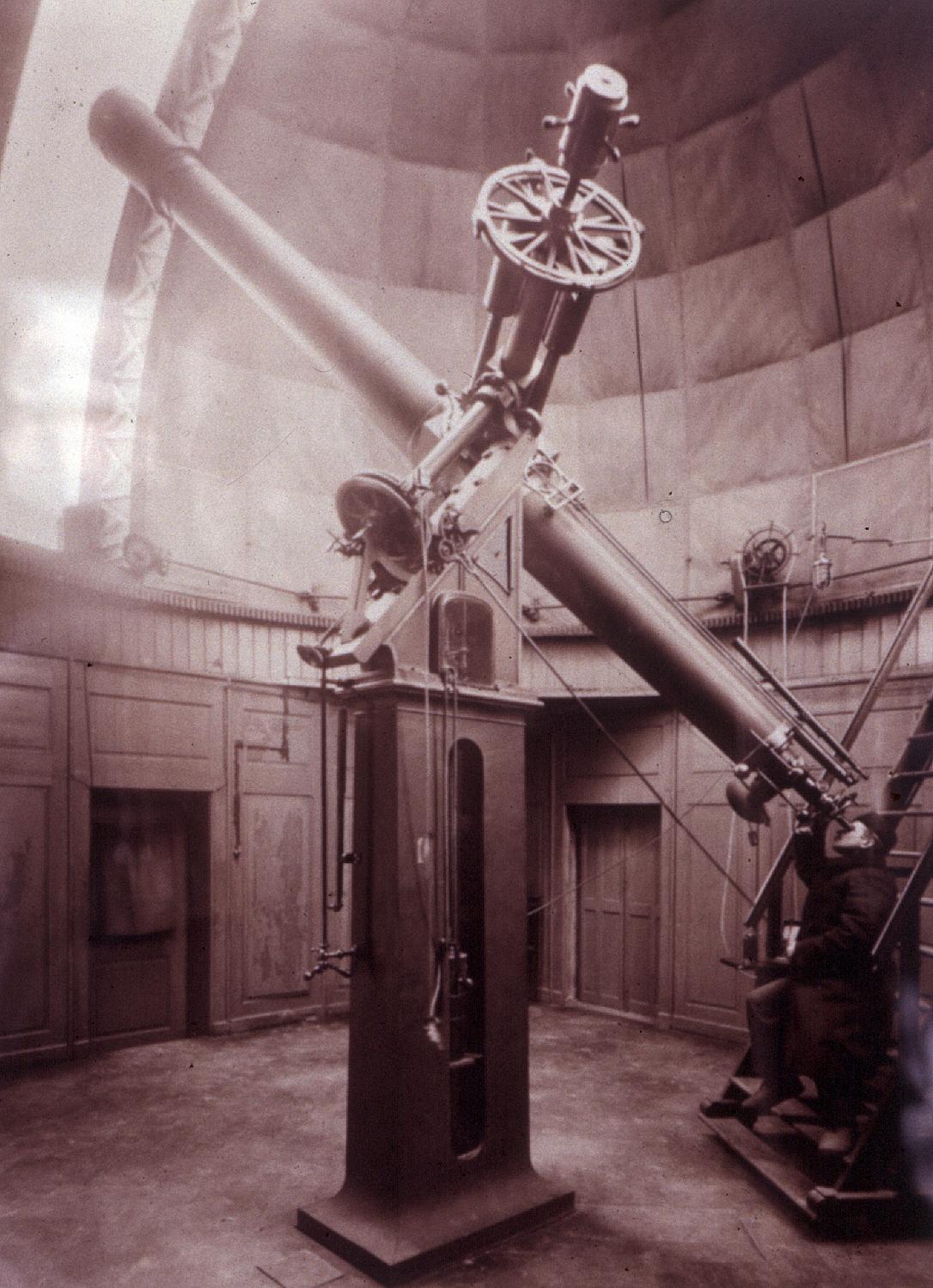
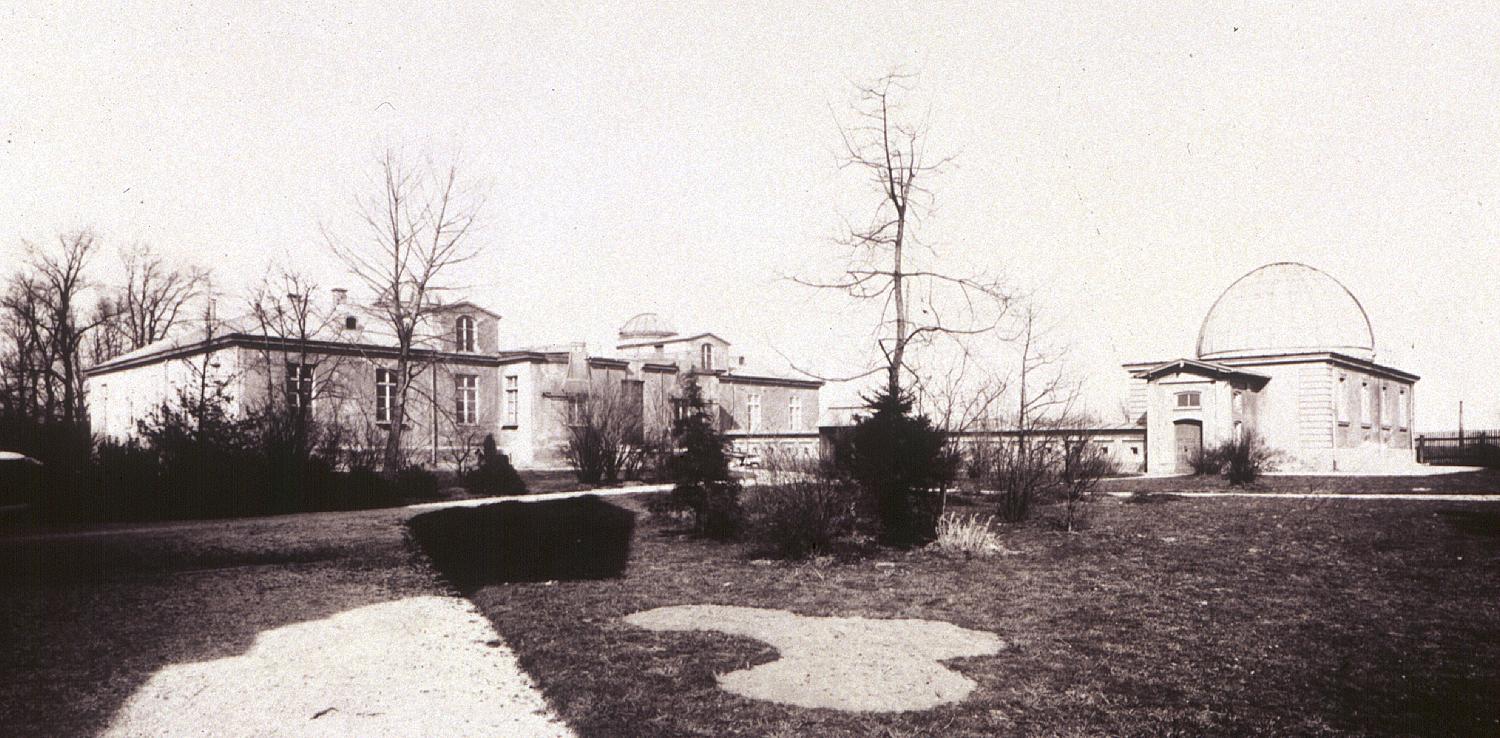
The classical eraSoldner saw his main task at the new observatory in consolidating the basic principles of astronomy by numerous measurements of the positions of the sun, the moon, the planets, and the fundamental stars. But this was soon interrupted for a short time in March and April of 1820, when Joseph von Fraunhofer (1787–1826) continued his spectroscopic studies of planets and bright stars, started earlier at the optical institute at Benediktbeuern. His new apparatus for experiments on the nature of the light of fixed stars was installed in the western tower of the observatory. Fraunhofer had found dark lines in their spectra similar to those he had detected in the spectrum of the sun which he then measured accurately and published in 1817. Assisted by Soldner, Fraunhofer measured the position of the lines in the spectrum of Sirius using a micrometer and investigated the possibility that the refraction of stars of different colors behaved differently. Thus, the Observatory in Bogenhausen became the first observatory in the world in which spectroscopic observations of the planets and stars were performed. The Scotsman Johann von Lamont (1805–1879), who succeeded Soldner as director of the observatory in 1835, continued the spectroscopic surveys using the giant telescope which was delivered in the same year and installed in a newly constructed building on the observatory grounds. In the summer of 1836 he placed a small prism behind the eye-piece of the telescope, which enabled him to measure the spectra of stars 40 times fainter than had been possible with Fraunhofer’s apparatus. Lamont analyzed the spectra of more than two dozen stars, kept records of their appearance, measured the positions of the strong lines and left the first pictures of spectra of stars in his observer’s log. Unfortunately, neither he nor Soldner recognized the potential of stellar spectroscopy or the immense amount of physical information contained in the lines. It was only starting in 1860 that spectroscopic methods became a ground-breaking research tool in astronomy, physics, and chemistry, remaining so until today. Although the refractor continued to be the world’s best telescope in the following years, Lamont discontinued his observations with it after some time and from 1840 on limited his astronomical activities to position measurements of faint stars, using the meridian circle of Reichenbach. His main interest turned toward investigating the Earth’s magnetism, and the observatory gained a world-wide reputation through Lamont’s fundamental contributions to this field. Lamont built a geomagnetic observatory on the grounds of the Bogenhausen observatory and travelled widely in Bavaria, northern Germany, France, Spain, and Denmark to perform measurements. His aim was to find magnetic regularities and to construct magnetic maps of these countries by measuring the direction and intensity of the Earth’s magnetic field. He developed a portable magnetic theodolite of which about 45 were built in the observatory’s workshop and sold to interested scientists. These sophisticated instruments were used in expeditions to southern Africa, Australia, and central Asia, or used in observatories.
Lamont’s successor, Hugo von Seeliger (1849–1924), who was the observatory’s director from 1882 until his death, returned the observatory’s main activities to astronomy, without losing sight of the geophysical studies. Shortly before the turn of the century, the Bavarian Academy of Sciences, eager to continue the tradition of geophysical observations in Bogenhausen, constructed a new geomagnetic observatory. A seismological station soon followed. In 1922, these facilities were officially designated the geophysical observatory. Seeliger’s theoretical work on celestial mechanics, error analysis, and stellar statistics made him the foremost German astronomer of the time. Although practically all his ideas (for example his mathematical-analytical model of the structure and size of the galactic stellar system and his nova theory) became astronomical history soon after his death, no longer standing up to the scrutiny of modern findings, it is to his credit that he recognized basic problems and attempted to solve them. In this, Seeliger influenced the astronomical world-view of his time and enhanced the Bogenhausen observatory’s reputation in the field of astronomy. Foreign scientists came to visit time and again, and Seeliger’s personality and aptitude as an excellent and stimulating teacher attracted many students over the years. One of the most brilliant of these was Karl Schwarzschild (1873–1916), who obtained his doctorate under Seeliger in 1898 and to whom modern astrophysics owes many ideas that are still valid today. But Seeliger also viewed the new developments in physics (such as quantum mechanics and the theory of relativity) with considerable skepticism, and was reluctant to adopt innovations. Thus he was ultimately responsible for the Bogenhausen observatory sinking into relative insignificance in the coming decades.
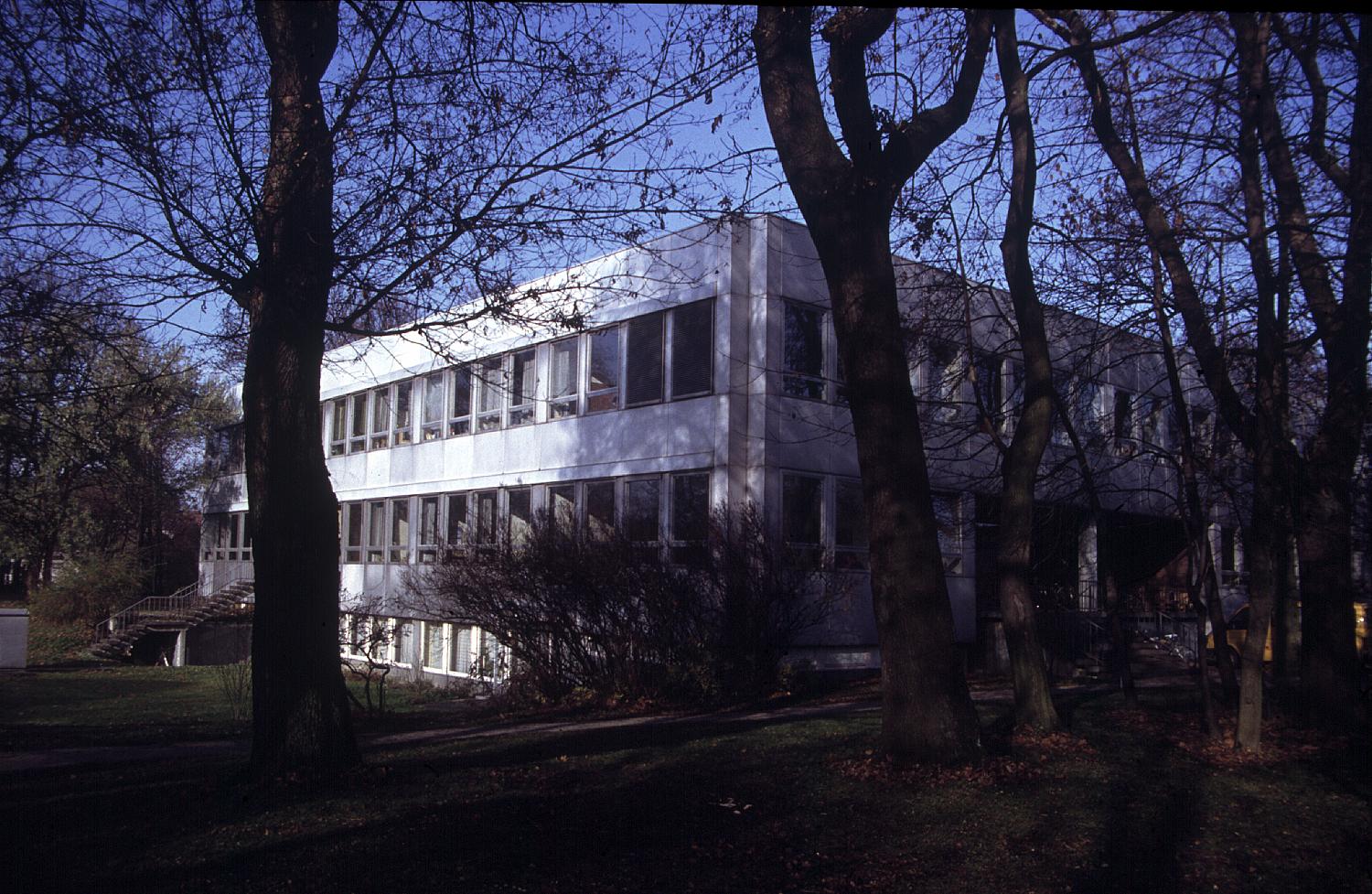
Much of the observatory was destroyed in the heavy air raids of July 1944, and reconstruction took until 1954. 1949 additionally brought a radical change: all geophysical equipment was removed from the observatory site and annexed to the institute for applied geophysics that had been newly created at the Ludwig-Maximilians-Universität in 1948. At the same time, the solar observatory on Mount Wendelstein, which had been built for military purposes in the Alps in 1941, was affiliated to the observatory. The modern timesThe turnaround came when Peter Wellmann (1913–1999) took office as the observatory’s director (1961–1982). Astronomical observations seeking to find answers to current problems in astronomy were no longer possible in densely populated cities. It had become clear that only through radical change could the observatory hope to catch up with the progress in astrophysical research that had been made in the meantime, particularly in the United States. As plans were already being made in Europe for providing shared access to modern observational instrumentation at sites chosen for their favorable meteorological conditions, Wellmann could for the time being focus on creating a modern working and teaching environment. In 1964, the nearly-150-year-old observatory building was demolished and the construction of a new building on the historical site was begun. In October 1966, after more than 2 years of construction, researchers could finally take up their work in the new building, consisting of an auditorium, several seminar rooms, modern offices, and above all a sophisticated computer system. For historical reasons, the institute kept the name of “University Observatory” (Universitäts-Sternwarte München, USM).
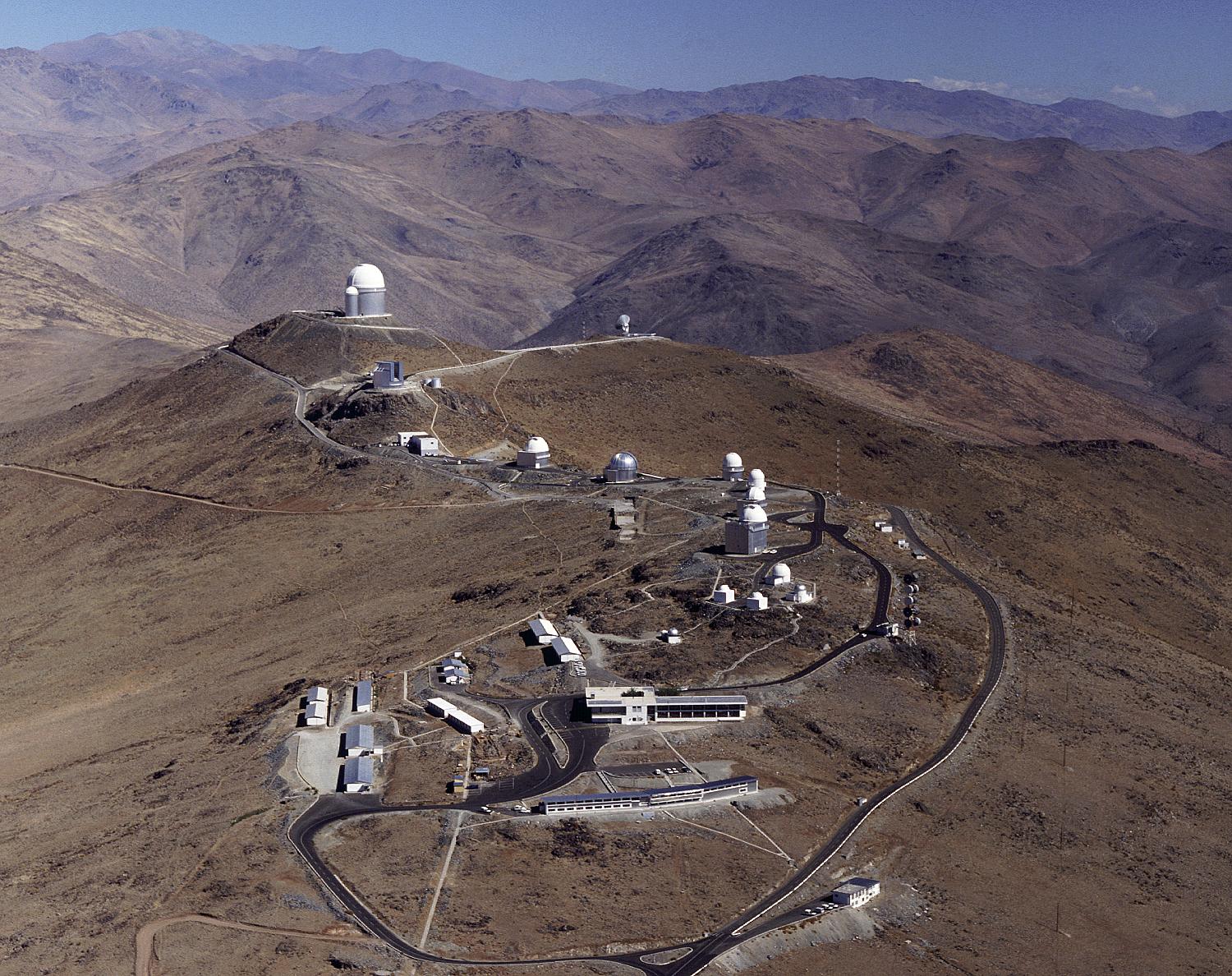
Scientific interest at the institute now focused on astrophysics, especially in the theory and calculation of the structure of stellar atmospheres, using the latest results in radiative transfer, hydrodynamics, and atomic physics. Stellar spectroscopy had thus returned to the Bogenhausen site, its place of origin. Besides this, significant attention was given to the analysis of the physical properties of particular types of variable stars. The institute also achieved success in the development and construction of a series of new observational instruments, many of which were deployed at the European Southern Observatory (ESO) at La Silla in Chile, which had taken up operations in 1969. ESO soon became the leading optical observatory in the world. Astronomical research in Bogenhausen had undergone a basic change: the gathering of data and the reduction and interpretation of measurements were no longer done in the same place. Observations were and are being made at remote observatories, or with satellite telescopes. Observing runs must be planned in detail in advance, subject to the approval of an international research committee that judges the applications and allocates the scarce observing resources at the overbooked telescopes. At the home institute, the results are analyzed, interpreted, and published in international journals.
The boom continued in the following decades and today the observatory ranks among the best in the world. Apart from the established highly sophisticated stellar astrophysical analyses (stellar winds, chemical evolution of galaxies), unsolved issues regarding the large-scale structure of the universe, the origin, evolution, and interaction of galaxies and their chemical properties are being investigated. This includes the analysis of galactic black holes and the investigation of dark matter by means of gravitational lenses. Numerical simulations using supercomputers have become an essential means of describing complex physical phenomena in the universe, and the observatory has added simulations of the origin and the evolution of the galaxies, the formation and dynamics of molecular clouds and the formation of stars and planets to its scientific program. Specific radiation phenomena that result from the interaction of cosmic plasmas with electric and magnetic fields are also being studied. These investigations range from the physics of aurorae and solar flares to as-yet poorly understood radiation bursts linked to black holes and pulsars, up to questions regarding the origin of cosmic magnetic fields.
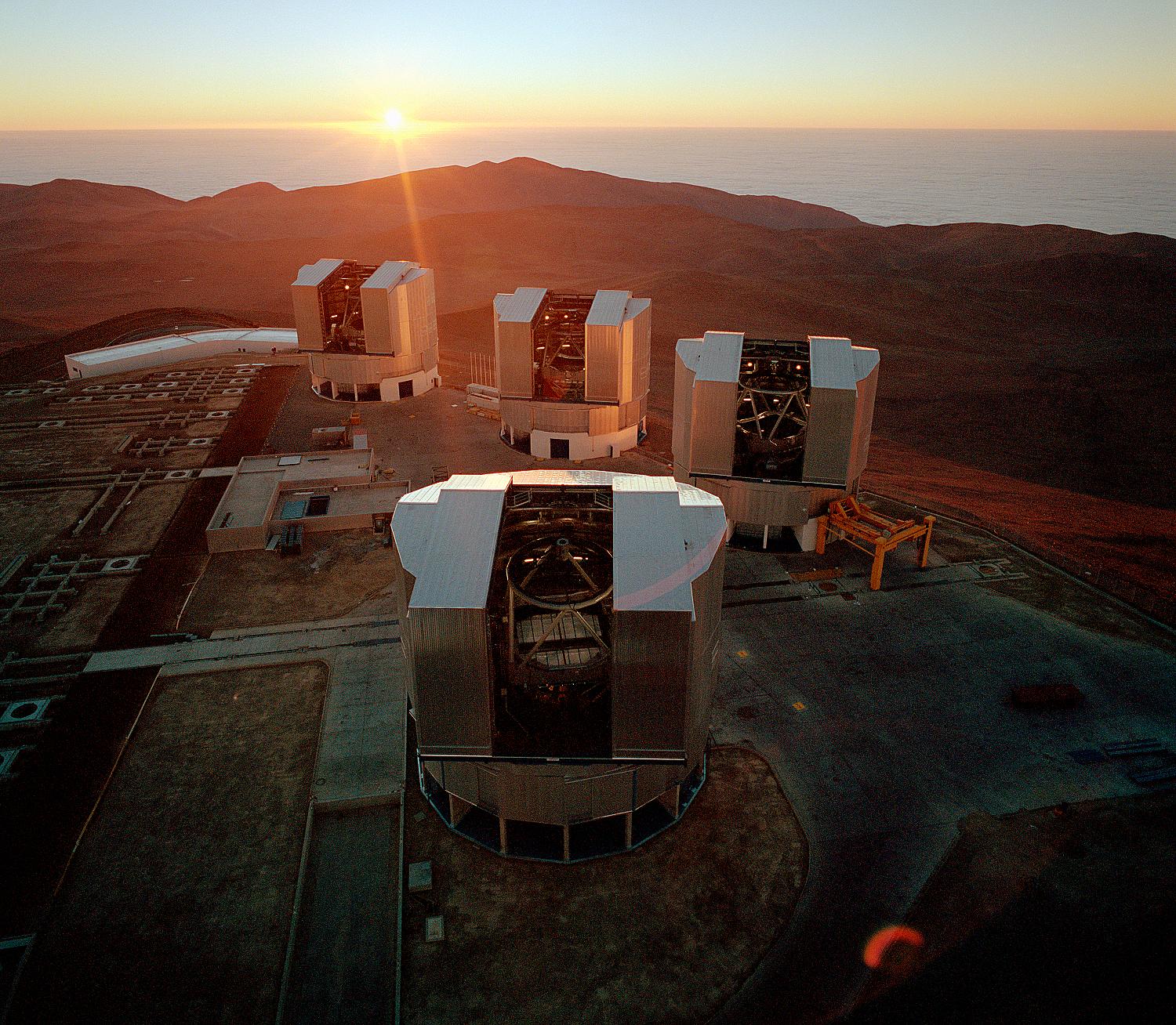
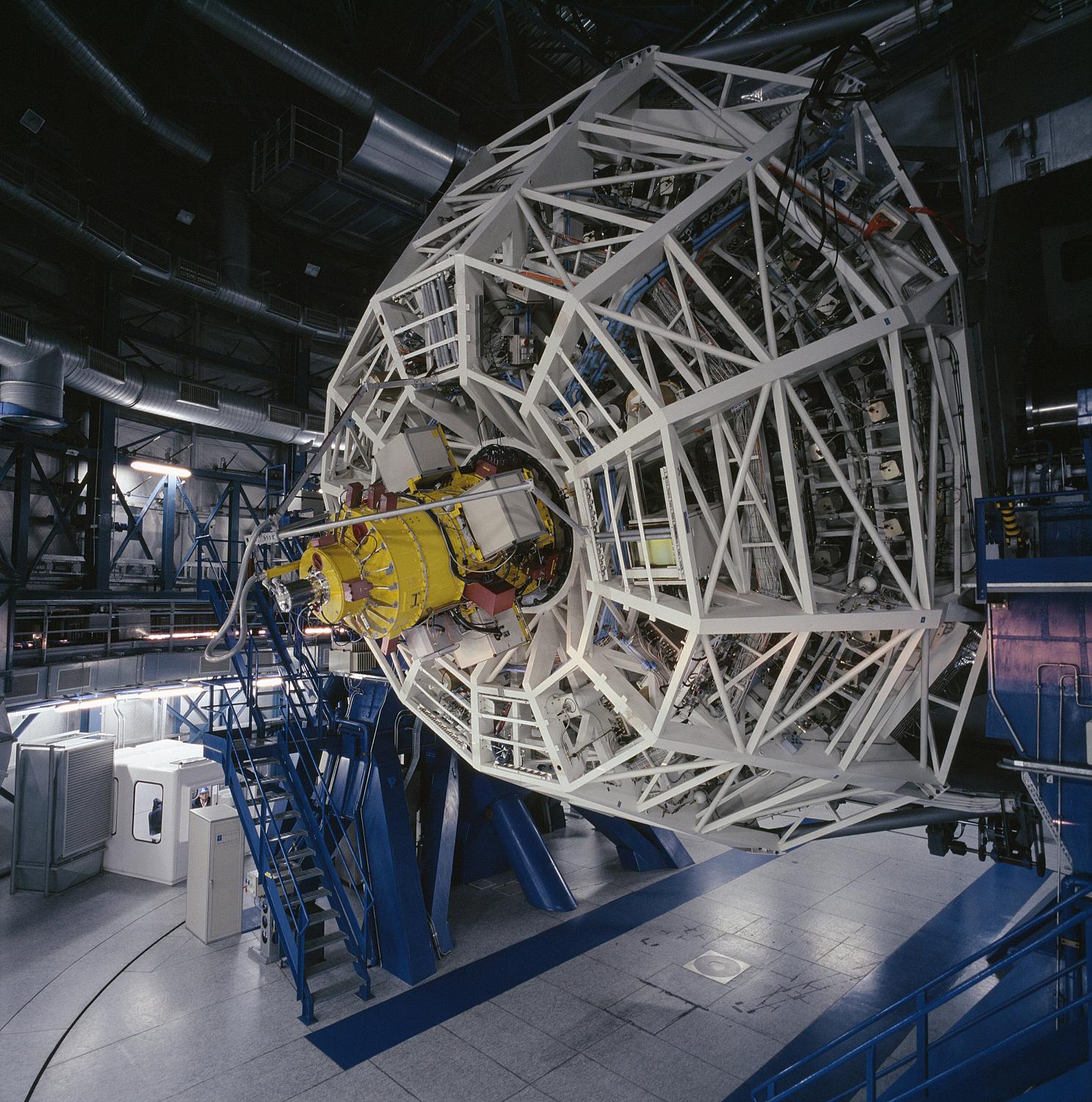
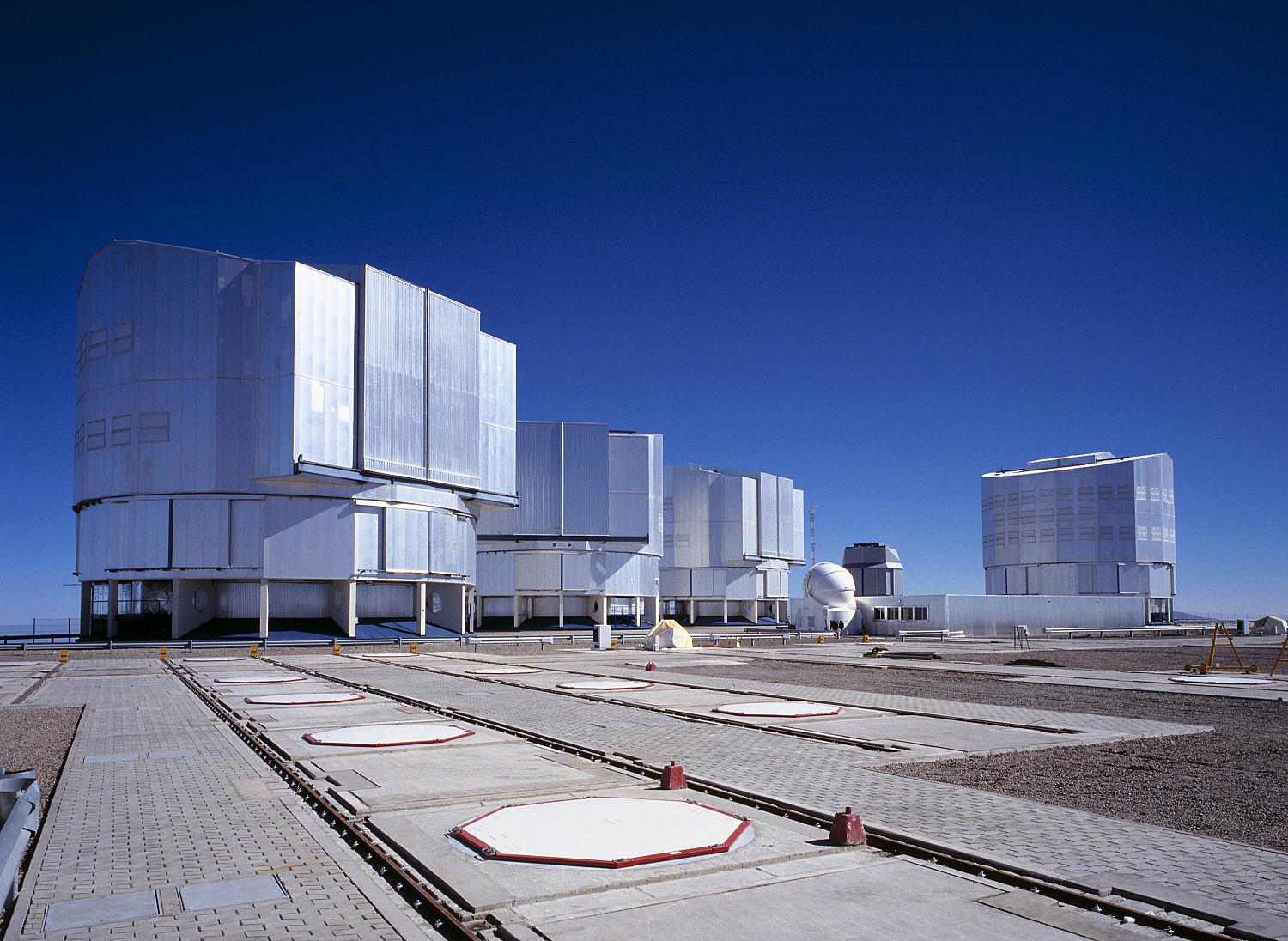
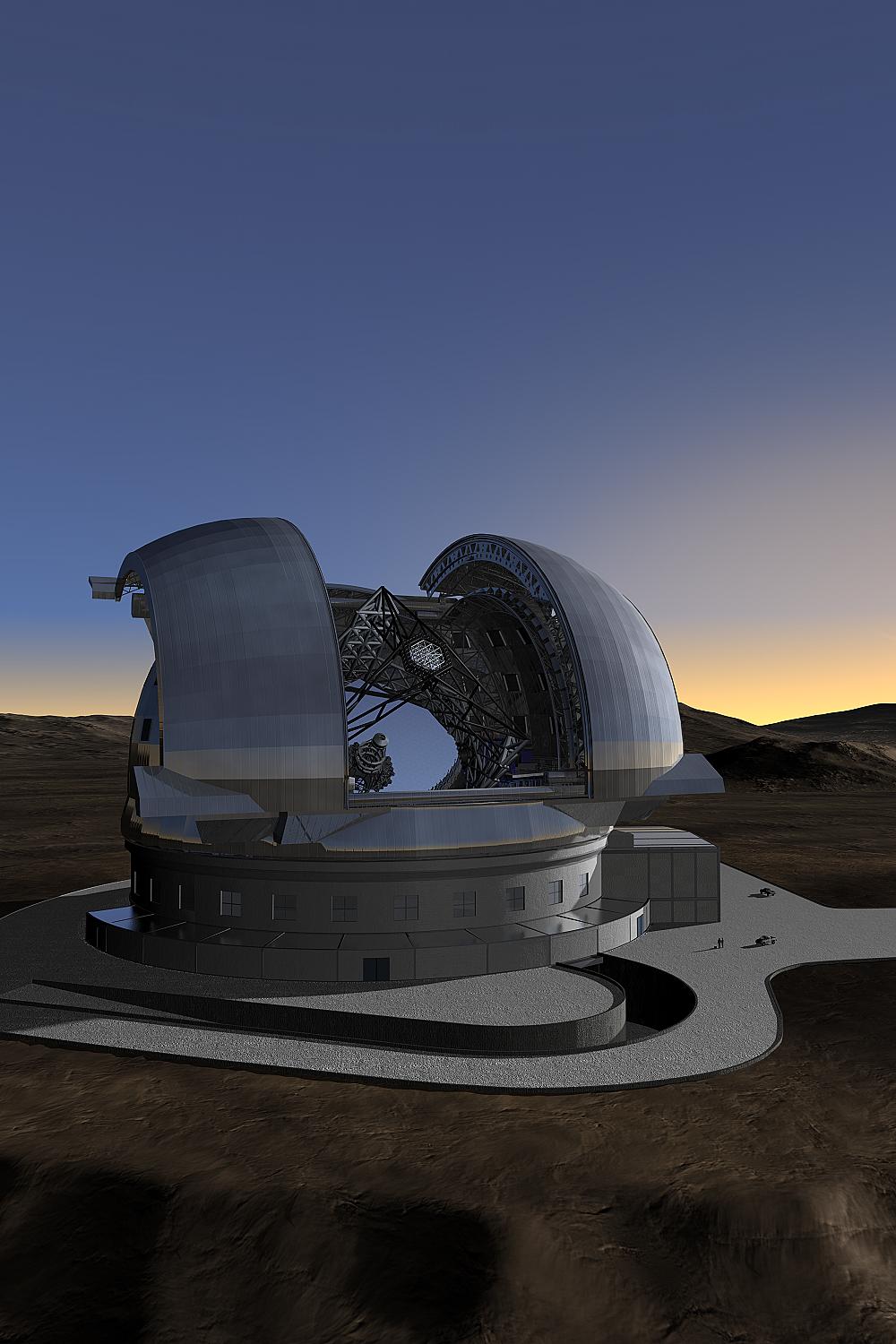
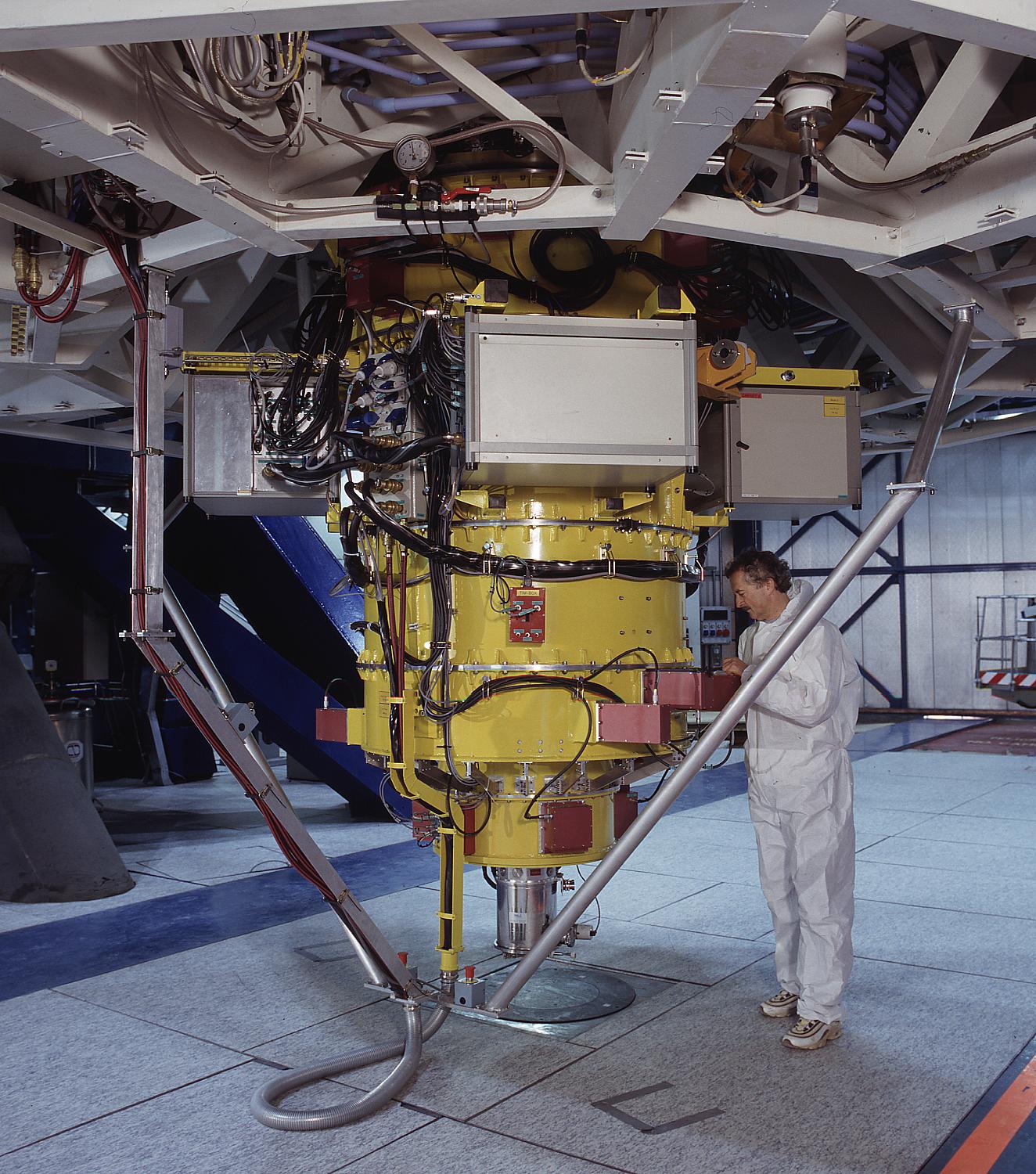
New developments in instrumentation have been pursued from the 1990s on. Scientific instrumentation of large telescopes has become increasingly sophisticated, requiring synergies of scientific and technical know-how of several institutes as well as cooperation with industry to successfully plan, build, and deploy such instruments. Furthermore, these projects require third-party funding (on the scale of millions of Euros) essentially by the Research Program of the Federal Ministry of Education and Research (BMBF), allowing additional staff to be hired and non-personnel-costs to be financed. Due to its reputation, the USM was and is successful in raising funds and has been a valued partner in national and international research consortia and has thus been involved in important instrumentation projects for over 20 years. Innovative instruments are being built in close cooperation with national institutes, but also with institutes in Great Britain, the Netherlands, Italy, the USA, and China. These instruments are being used in large telescopes throughout the world, providing the prerequisites for making new scientific discoveries. Among these instruments are the two combi-instruments FORS1 and FORS2 carrying the main burden of observations (direct imaging, multiple simultaneous spectroscopy, polarimetry) at ESO’s Very Large Telescope (VLT) on Paranal/Chile since the end of the 1990s. Until now, three scientific papers a week are published in research journals based on data gained with the FORS instruments. Furthermore, the KMOS infrared spectrograph is under construction and is likely to begin operations in 2011 as a second-generation instrument at the VLT. KMOS will deliver spatially resolved spectral information (196 spectra per object) of up to 24 remote galaxies simultaneously. KMOS will thus provide insight into the processes involved in the origin and evolution of galaxies. Last but not least, the USM will be involved in the construction of the camera MICADO for the E-ELT project (European Extremely Large Telescope) currently in the planning stage. From 2021 onwards this really enormous telescope with a diameter of 39 meters will allow us to look back to the era of the formation of the first stars and galaxies.
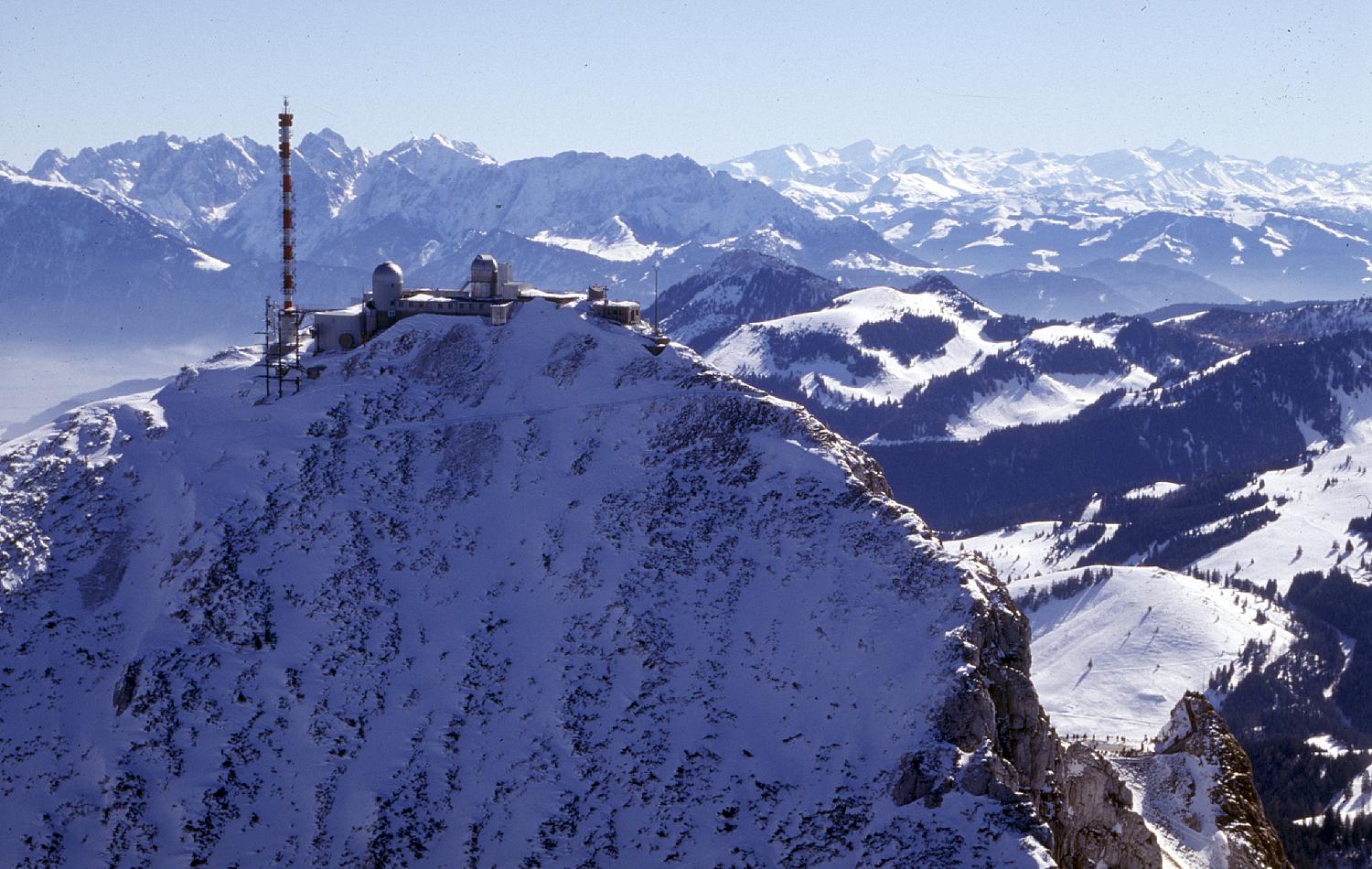
The USM also has its own observatory on the summit of the 1838-m-high Wendelstein, about 75 km southeast of Munich. There, observations of the solar corona, prominences, and sunspots had been carried out for several decades as part of an international network of solar observatories. In the mid-1980s, these observations were terminated and the switch to night-time astronomy was made. Between 1989 and 2007, a 0.8-m telescope was operated, and, using instruments built at the USM, ambitious stellar photometric observation programs were carried out (some simultaneously with satellite measurements or spectroscopic observations at international large telescopes), as well as pixel-lensing experiments towards the Andromeda galaxy for detecting macroscopic dark matter. The need for a modern, larger telescope of the 2-m class, allowing such programs to be run even more efficiently, became increasingly clear over the years. With 130 clear nights per year, mostly with good atmospheric transmittance and a so-called “seeing” comparable to that on Paranal/Chile, the Wendelstein is indeed a good location for such a state-of-the-art telescope costing 8 million Euros. In 2006, the Bavarian Ministry for Science, Research and Art approved the project and the new telescope will come into operation in 2011. The USM is also involved in the operation of the 9-m Hobby-Eberly telescope of the McDonald observatory in western Texas, where it has operated since 1998 and is used solely for spectroscopic analyses. One of its spectrographs was conceived in cooperation with US partners and built in Bogenhausen.
Together with the Max Planck Institutes for Astrophysics and Extraterrestrial Physics and the ESO administration in Garching, the USM in Bogenhausen covers nearly the whole range of astrophysical basic research. Having almost 1000 employees, these institutes constitute the largest center of astronomy in Germany and one of the biggest and most active in the world. Cooperation between the institutes has been intensified over a period of decades, and today they collaborate closely on a number of scientific and technical projects. The international reputation has also attracted an increasing number of students who appreciate the wide range of scientific opportunities offered. More than 30% of the physics students at the Ludwig-Maximilians-Universität München choose astrophysics as an elective course for their Diploma examination, and the number of students who choose a theoretical or experimental problem from modern astrophysics as a PhD thesis is steadily increasing. In the year 2000, on initiative of the Max-Planck-Gesellschaft, the institutes founded the International Max Planck Research School on Astrophysics (IMPRS) at the LMU with the aim of offering highly qualified and motivated students from all over the world the opportunity to profit from the excellent scientific environment in Munich in acquiring a PhD. The establishment of the school was an immediate success: at present, 70 students are working on their PhD theses at the different institutes. Applications from motivated students, mostly from abroad, are so numerous that only 20% of those who apply can be accepted.
In the first round of an initiative started in 2005 to bolster science at German universities, the USM played a leading role in submitting the proposal and setting up the Excellence Cluster for fundamental physics entitled “Origin and Structure of the Universe”. In this project astrophysicists join together with nuclear and particle physicists in the quest to find answers to the most important unsolved questions of modern science which link the smallest and the largest scales in the cosmos: the innermost structure of matter, space and time, the origin and nature of the four fundamental forces as well as the structure, geometry and evolution of the elemental abundances in the universe. Among other things, ideas about dark matter, dark energy, supersymmetry and quantum gravity are investigated and new laws in physics are sought. The E-cluster is initially supported with 6.5 million Euros per year up to 2011 and has led to a considerable increase in staff at the USM. The commitment and reputation of the Cluster member has certainly contributed to the title of “Elite University” being awarded to the LMU. Thus, the Observatory in Bogenhausen has proved for many years that it is able and willing to accept the challenges of modern astrophysics and to play an important role in cooperative international efforts to study the origin, structure, and development of our universe.
Dr. Reinhold Häfner, University Observatory Munich, January 2009.
References:W. Bachmann: Die Attribute der Bayerischen Akademie der Wissenschaften 1807–1827. Münchener Historische Studien, Abteilung Bayerische Geschichte, Band 8, Kallmünz (1966) R. Häfner, R. Riekher: Die Pioniere der Sternspektroskopie. Die stellarspektroskopischen Untersuchungen von Fraunhofer (1816–1820) und Lamont (1836). In: Acta Historica Astronomiae Vol. 18, 137–165 (2003) R. Häfner: Die Universitäts-Sternwarte München im Wandel ihrer Geschichte. München (2003) R. Häfner, H. Soffel (Hg.): Johann von Lamont 1805–1879, Leben und Werk. München (2006) F. Litten: Astronomie in Bayern 1914–1945. Stuttgart (1992) Image sources:
University Observatory Munich: Nr. 1–5, 11, 13 |

|
Impressum Datenschutz |